By R. Lee Ingalls
May is Mental Health Awareness Month, and I could not let it pass without sharing a story that has shaped my family. It is the story of my grandmother, Clara Supri Patnode, and a reminder that mental health struggles are not new, even if our understanding of them is.
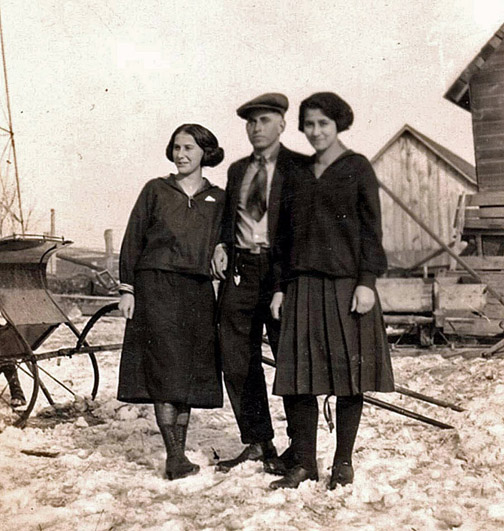
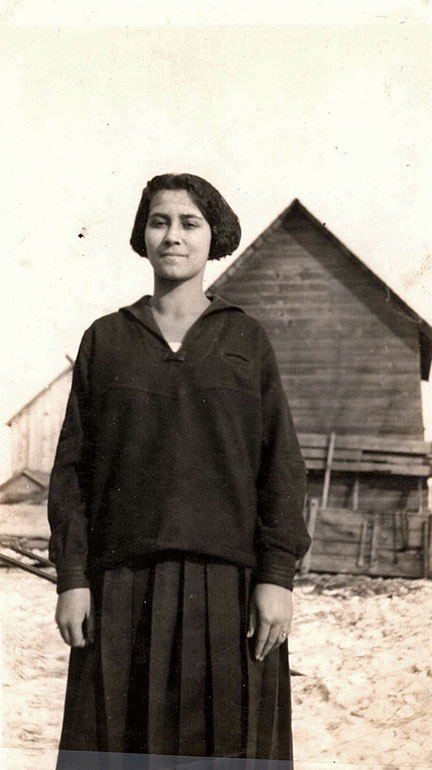
On December 20, 1907, Frank Conrad Supri and Leah Baudette Supri welcomed their second child into the world, a daughter they named Clara. She was born into a rural world outside Pepin, Wisconsin, where life was isolated, physically demanding, and often unforgiving. My grandfather Wilford Patnode would later describe something that seemed to follow the Supri family as “the darkness.” Today we would likely recognize it as severe depression, but in those years there were few words for such suffering and even fewer places to turn for help.
The Supri family farmed in a time before paved roads, before modern medicine, before electricity reached many rural homes. Winters were brutal and isolating. Clara’s father worked seasonally at logging camps nearly thirty miles away, leaving the family snowbound for months at a time. Survival depended on endurance, preparation, and sheer determination.
But hardship continued to follow the family. Clara’s father died from what people quietly referred to then as “alcohol disease,” leaving Leah widowed with six children and few options. Three of the children were sent to an orphanage because the family simply could not survive otherwise. The daughters remained with their mother, helping wash and iron laundry for others just to keep food on the table.
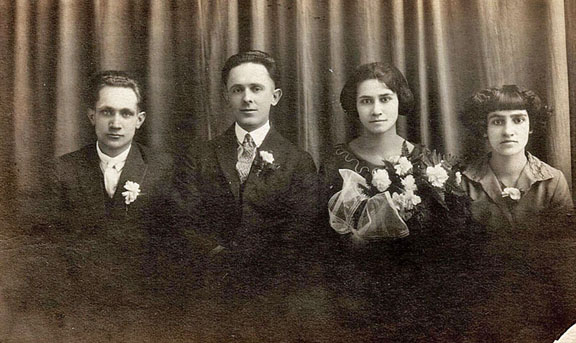
At sixteen, Clara married my grandfather, Wilford Patnode. Together they built a life during one of the most difficult periods in American history, but beneath the surface Clara struggled deeply. My grandfather said the darkness would come over her, leaving her withdrawn for days at a time, unable to function or connect with those around her. He accepted it as part of who she was because, at the time, there was little else anyone knew to do.
Then came the Great Depression, injuries on the farm, family crises, financial uncertainty, and another pregnancy. The weight of life became unbearable. After the birth of her fourth child, my mother Fern, Clara slipped into the deepest darkness my grandfather had witnessed. For more than two weeks, she could not emerge from it.
One October afternoon in 1932, Clara sat with my grandfather in the barn while he milked cows. He later said she seemed like herself again, smiling and talking as though the darkness had finally lifted. Relieved, he believed his wife had returned to him. But only hours later, their seven-year-old son Warren found her in the hayloft. Clara had taken her own life.
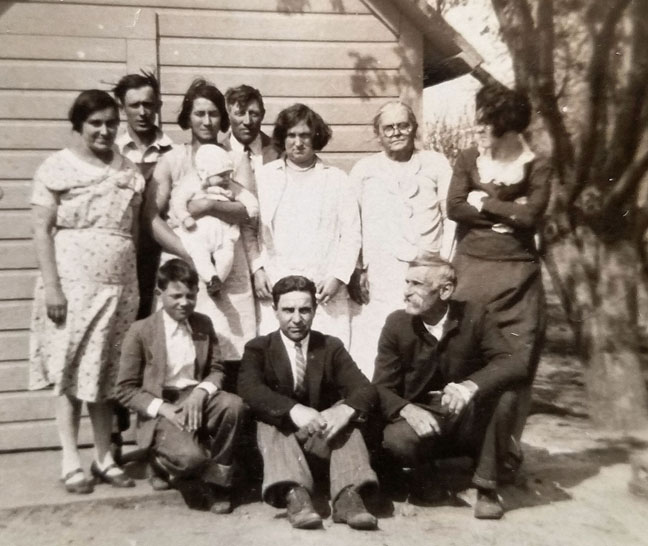
The loss devastated the family, and its sorrow continues to echo through generations. Yet even in grief, my grandfather’s writings reflected profound love for the woman he married:
“At 25 I found I had outgrown my youth and my friends were all married. So I got on the bandwagon and on March 3, 1924 I was married to the finest girl in all the world and I have four children to prove it.”
Though I never knew my grandmother, I often wish I could have had just one conversation with her, or know with certainty which of my instincts, strengths, or sensitivities I inherited from her. Today, I remember her not for the way her life ended, but for the life she lived, the children she brought into the world, and the quiet strength she carried far longer than anyone should have had to.
Her final words to my Grandpa were left in a note they found in her pocket.
“Dear Wilford! Don’t blame anybody for this but myself. I am to blame for it all. The rest are innocent. You have been a wonderful pal to me, Wilford. Take good care of those dear little children that are only mine and yours. Be a good father and mother to them and keep them together. Raise them good. Will say goodbye from Mother and Clara.”
Today I remember my grandmother, Clara Supri.